Alaska Winter Sober Living: Strategies for Secure Recovery
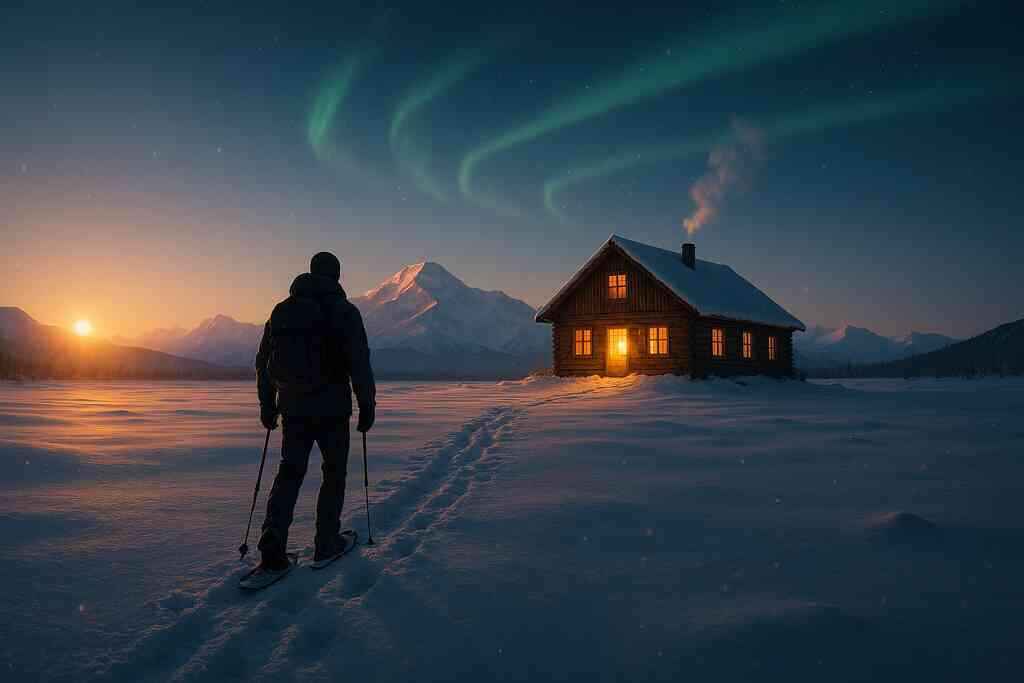
Navigating Recovery During Alaska’s Deep Winter
Early recovery is never easy, yet Alaska’s long polar nights and extreme cold add a layer of challenge few other regions face. This guide explains why specialized sober living environments matter, what to look for in a house, and how residents can turn the season’s obstacles into momentum for lasting sobriety.
Why Winter Intensifies Relapse Risk
- Isolation grows quickly. Roads close, daylight shrinks to mere hours, and social events cancel. Time alone can trigger cravings.
- Seasonal affective disorder (SAD) lowers mood and motivation, making meetings or therapy feel optional.
- Logistical barriers like snow-blocked driveways or frozen vehicles interrupt counseling appointments and drug-testing schedules.
- Holiday nostalgia brings family stress and memories of substance-filled gatherings.
Recognizing these patterns early lets sober house managers build guardrails before the first whiteout arrives.
Core Features of a Winter-Ready Sober House
1. Reliable Heat and Power
A modern furnace, stocked fuel, and a backup generator are non-negotiable. Residents can focus on recovery only when basic comfort is secure.
2. Thoughtful Lighting Plan
Full-spectrum bulbs in common areas help regulate circadian rhythm. Scheduled “light box” sessions each morning combat SAD symptoms and set a consistent wake time.
3. Structured Daily Routine
Downtime invites rumination. Effective houses post a winter timetable that blends chores, tele-therapy, group study, exercise, and outdoor tasks such as shoveling or wood stacking.
4. Telehealth Integration
Blizzards should never cancel counseling. Houses equipped with stable internet, webcams, and private rooms keep therapy and 12-step commitments on track.
5. Emergency Preparedness
Each bedroom stores a grab-and-go kit with hand warmers, a headlamp, snacks, and contact numbers. Regular drills teach frostbite checks and safe vehicle start-up in –20 °F conditions.
Setting Intentions That Stick Through the Snow
Goal-setting is more effective when concrete, visible, and tied to seasonal realities.
- Physical goals – Walk the perimeter trail daily at noon; split one rack of firewood by Friday.
- Emotional goals – Journal three gratitudes after sunrise lamp session; share one feeling at nightly check-in.
- Social goals – Attend at least two virtual meetings per week and one in-person meeting when roads allow.
- Skill goals – Learn one new cold-weather recipe or survival tip each week, then teach the group.
Posting progress on a communal whiteboard keeps everyone accountable and sparks friendly encouragement.
Building Community in the Polar Night
Even the best routine fails without connection. Strong houses deliberately weave fellowship into dark months:
- Theme dinners based on resident heritage or sober milestones.
- Game or movie nights scheduled on storm-prone evenings to reduce boredom.
- Service projects like knitting caps for local shelters or delivering hot meals to elders, reminding residents they still have purpose.
- Micro-celebrations marking each solstice or incremental daylight gain to keep hope visible.
Practical Self-Care Tools for Residents
- A compact dawn-simulation alarm clock eases morning wake-up.
- Moisturizing balms reduce cracked skin that can become a distraction.
- Ice cleats prevent slips on untreated paths, supporting mandatory attendance at chores or meetings.
- Breathable thermal layers allow outdoor activity without overheating indoors.
Budget-conscious houses often buy these in bulk and issue them at intake.
Partnering With Outpatient Providers
Strong communication between the sober house and outpatient team prevents gaps in care:
- Weekly email updates track attendance, mood changes, and medication adherence.
- Shared emergency protocols clarify whether the house or clinician coordinates hospital transport in severe weather.
- A standing virtual group slot guarantees residents can join therapy even if clinic staff cannot drive in.
Measuring Success Over the Season
Winter can feel endless. Breaking it into measurable checkpoints helps:
| Milestone | Approximate Date | Indicator |
|---|---|---|
| First heavy snowfall | Early November | All residents complete emergency drill |
| Winter solstice | Late December | 90 % meeting attendance sustained |
| Return of civil twilight | Mid-January | Majority report improved mood on PHQ-9 |
| Break-up season starts | March | At least two alumni sponsor newcomers |
Reviewing these targets during house meetings keeps momentum visible and spirits lifted.
Final Thoughts
Alaska’s subzero darkness can either undermine sobriety or forge resilience. Sober living homes that anticipate seasonal stressors—through rigorous infrastructure, structured routines, and intentional community—give residents the best chance to thrive. With the right environment and mindset, winter becomes less a threat and more an opportunity to practice discipline, cooperation, and gratitude—skills that remain long after the snow melts.
How Top Sober House Elevates Winter Recovery Paths in Alaska


Comments
Post a Comment