Structured Daily Routines in Ohio Veteran Sober Living Homes
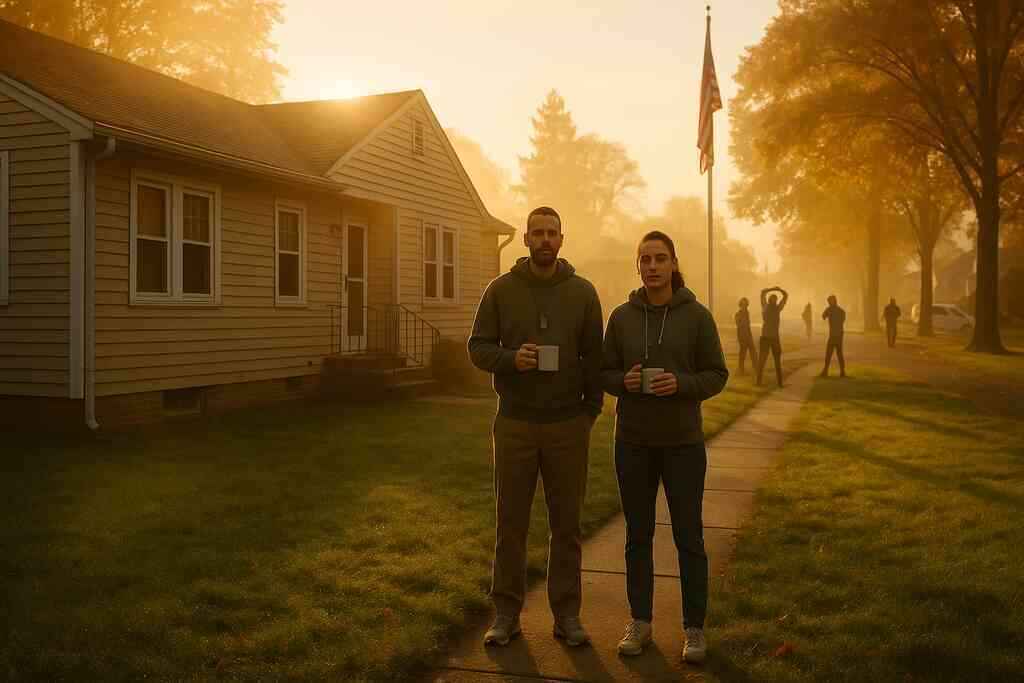
Why Routine Matters for Veterans in Recovery
Leaving inpatient rehab is only the first step. The real challenge begins when everyday life returns. For many Ohio veterans, a sober living home provides the missing bridge between treatment and full independence. The familiarity of hierarchy, clear expectations, and shared responsibility mirrors the best parts of military culture while reinforcing healthy civilian habits.
This overview breaks down the typical day inside a veteran-friendly sober house and explains why each element supports both sobriety and post-service adjustment.
Morning: Dawn Accountability
06:00–07:00 Wake-Up and Personal Prep
Most houses keep an early start because it sets the tone for discipline. Residents make beds to inspection standard, complete quick hygiene, and ensure communal spaces are tidy before group check-in.
07:00–07:30 Formation-Style Check-In
A short meeting replaces roll call. Each resident briefly reports:
- Sleep quality
- Current emotional state
- Top goal for the day
This practice fosters honesty and allows peers to notice mood shifts that might signal relapse risk. Because veterans already understand the value of a morning brief, the process feels natural rather than imposed.
07:30–08:00 House Chores and Inspections
Duty rosters rotate weekly. Tasks range from kitchen sanitation to lawn care. A fellow resident signs off after visual inspection, reinforcing mutual accountability.
Mid-Morning: Health and Skill Building
08:00–09:00 Group Fitness or Mindful Movement
Physical readiness remains central to military identity. Sober homes often schedule group runs, calisthenics, or yoga. Consistent exercise improves mood regulation and reduces cravings by boosting endorphins.
09:00–11:00 Clinical or Peer-Led Sessions
Depending on individual plans, residents head to outpatient counseling, VA appointments, or on-site workshops. Topics include:
- Trauma-informed coping skills
- Financial literacy
- Resume writing for civilian employment
Houses work closely with local VA centers and certified counselors so that mental health and substance use treatment progress together.
Midday: Community and Nutrition
11:30–12:30 Shared Lunch
Kitchens operate on a "cook of the day" model. Preparing meals for the group encourages service, while shared tables rebuild camaraderie often lost after discharge.
12:30–13:00 Quiet Time
Many veterans live with hypervigilance. A predictable half-hour of silence—lights dimmed, electronics off—helps lower arousal levels before residents head to work searches or therapy.
Afternoon: Purposeful Activity
13:00–17:00 Employment, Education, or Volunteering
Sober living is not passive housing. Veterans are expected to pursue constructive daytime commitments:
- Part-time work or GI Bill classes
- Vocational training
- Community service at local nonprofits
House staff assist with scheduling and transportation when needed. Structured hours limit idle time, a common trigger for relapse.
Evening: Reflection and Connection
17:30–18:30 Dinner and Daily Debrief
Another resident team prepares supper, followed by a brief after-action review. What went well? What challenges arose? Talking through achievements and stress points models the mutual support culture familiar from deployed units.
19:00–20:00 Recovery Meetings
Residents attend mandatory 12-step or SMART Recovery gatherings, either on-site or at nearby churches. Peers often travel together, reinforcing accountability and reducing the anxiety of walking into a meeting alone.
20:00–21:30 Free Time in a Safe Environment
Houses set clear guidelines: no isolating behind closed doors, no late-night gaming marathons, and no visitors beyond agreed hours. Board games, group movies, or quiet reading encourage socializing without substances.
Night: Security and Rest
22:00 Curfew and Final Head Count
Lights-out is typically 22:00. The house manager completes a quick walkthrough, making certain each resident is home and rooms remain substance-free. Predictability reduces nighttime anxiety and supports healthy sleep cycles.
Trauma-Informed Design Features
- Quiet Zones – Separate lounges for meditation or breathing exercises.
- Blackout Curtains – Help residents who struggle with hypervigilance sleep soundly.
- Soft Lighting – Motion sensors and dimmers avoid sudden brightness that can trigger startle responses.
- Staff Training – Managers learn to recognize flashbacks or dissociation and can deploy grounding techniques calmly.
How Structure Supports Long-Term Success
- Mirrors Military Culture: Chain of command, duty rosters, and group goals feel familiar, easing the transition from service.
- Early Intervention: Daily check-ins allow peers to spot warning signs before relapse escalates.
- Skill Reinforcement: Repetition of healthy habits—exercise, balanced meals, punctuality—turns them into default behaviors after discharge.
- Community Identity: Celebrating clean-time anniversaries, job offers, or therapy milestones builds morale and demonstrates that recovery is achievable.
Tips for Choosing a Veteran-Friendly Sober Home in Ohio
- Verify staff have trauma-informed training and a working relationship with the VA.
- Ask about the daily schedule; lack of structure may indicate weaker oversight.
- Look for peer leadership positions—house captain or duty NCO roles foster ownership.
- Tour the property at night as well as day to gauge neighborhood safety and quiet levels.
Final Thoughts
A well-run sober living house turns recovery into a mission rather than a punishment. When Ohio veterans wake to familiar routines, share duties with people who speak the same language of service, and receive specialized support for PTSD, sobriety becomes a team effort. The structure may feel strict at first, yet it cultivates the discipline, purpose, and mutual trust that helped these men and women succeed in uniform—and can now help them build a rewarding civilian life.
Reviewing Top Sober House Daily Routines for Ohio Veterans


Comments
Post a Comment